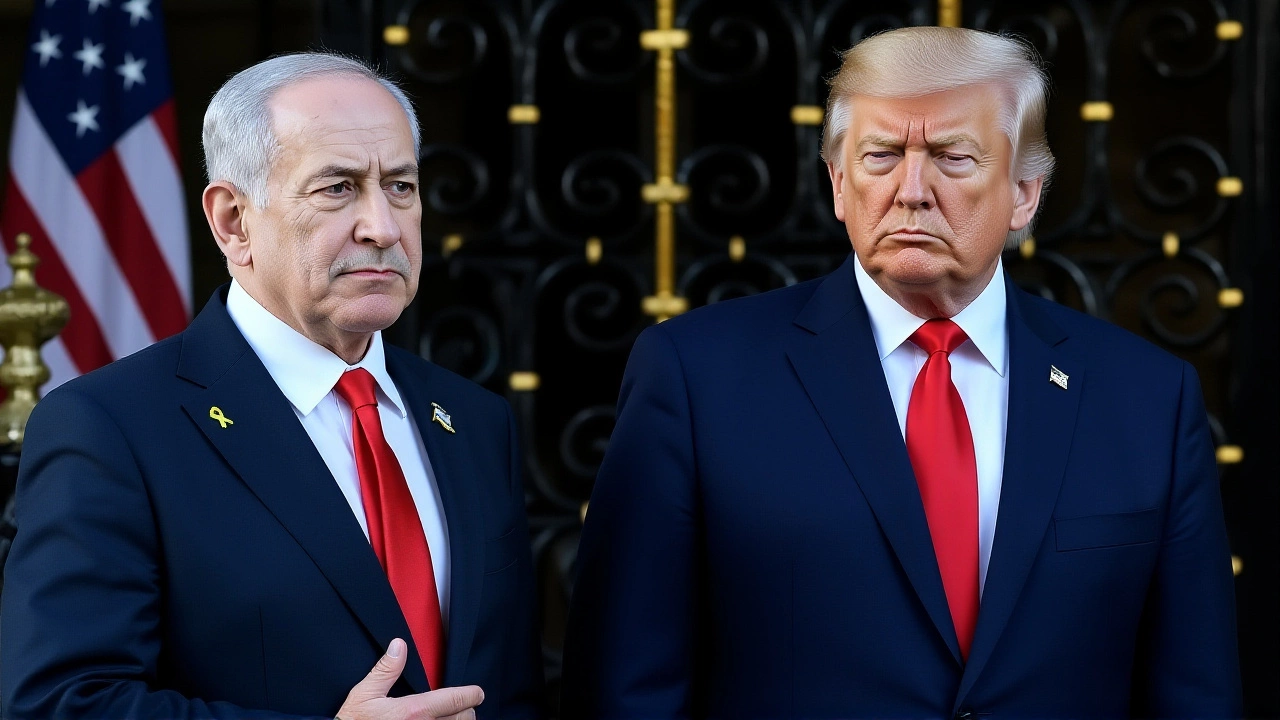
When Donald Trump, President of the United States, announced that a peace framework with Iran was "largely settled" on Saturday, May 23, 2026, the geopolitical shockwaves were immediate. But the real story wasn't just the end of an 84-day conflict—it was who got left out of the room.
Benjamin Netanyahu, Prime Minister of Israel, has been effectively sidelined from the negotiations. According to reports from The New York Times, Israel is now "almost entirely outside" the process, forced to rely on intelligence channels and third-party diplomatic contacts to piece together what’s happening between Washington and Tehran.
The Exclusion of a Key Ally
Here’s the thing: for years, Israel’s security concerns have been central to any US-Iran dialogue. Not anymore. Two anonymous Israeli defense officials told the NYT that Jerusalem is being kept in the dark. This marks a dramatic shift in alliance dynamics. Just days earlier, on Wednesday, May 20, Axios reported that Netanyahu was "very angry" after a phone call with Trump regarding a "Letter of Intent" designed to halt hostilities and launch a month-long negotiation window.
Despite public pleasantries—Trump later called Netanyahu a "very good man" and insisted he would do what Trump wanted—the operational reality is starkly different. The US President appears to be prioritizing a direct deal with Tehran over Tel Aviv’s demands for regional dominance or preemptive strikes. It’s a bold gamble, one that leaves Israel wondering if its strategic interests are still aligned with Washington’s new approach.
Pakistan’s Quiet Rise as Mediator
While Israel watches from the sidelines, another player is stepping into the spotlight: Pakistan. On Sunday, May 24, 2026, Shehbaz Sharif, Prime Minister of Pakistan, took to X (formerly Twitter) to praise Trump’s "extraordinary efforts" toward peace. He didn’t mention the specific terms, but his timing was telling.
Islamabad has emerged as a crucial intermediary in these talks. For months, Pakistani diplomats have facilitated backchannel communications between Washington and Tehran. This isn’t just about diplomacy; it’s about leverage. By positioning itself as the bridge, Pakistan gains significant political capital in a region long dominated by US-Israeli coordination. The details of their involvement remain tight-lipped, but the impact is undeniable.
What’s Inside the Deal?
So, what exactly is this agreement? While final details are still being hammered out, the leaked drafts suggest major concessions. Here’s what we know so far:
- End of Hostilities: Immediate cessation of military actions between the US and Iran.
- Strait of Hormuz: Gradual reopening of this critical waterway, which has been under threat due to tensions.
- Lifted Sanctions: Removal of US blockades on Iranian ports and unfreezing of certain Iranian assets held in foreign banks.
- Nuclear Timeline: A 30-day window to resolve remaining disputes over Iran’s near-weapons-grade uranium stockpile.
Trump warned his team on Sunday, "Don’t rush things," indicating that while the framework is set, the devil is in the details. The fate of Iran’s nuclear program remains the biggest sticking point. If resolved, this could mark the most significant de-escalation in Middle Eastern geopolitics since the JCPOA.
Reactions and Ripple Effects
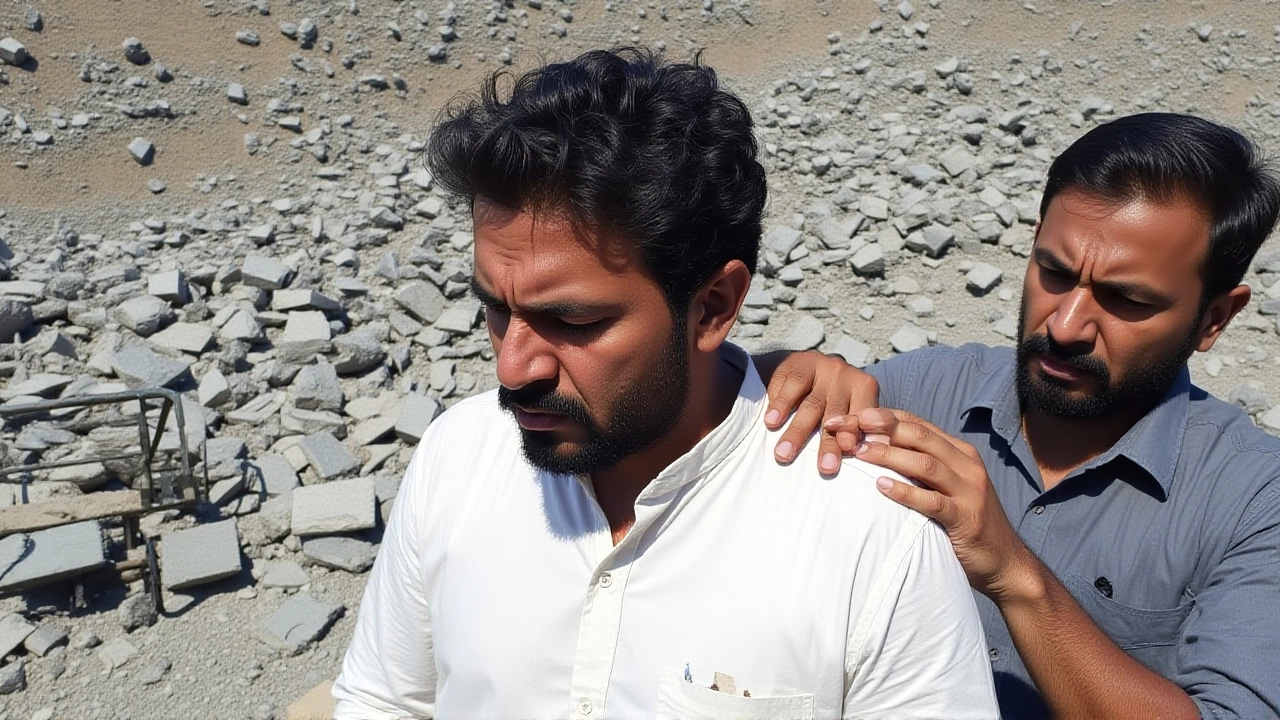
The reaction in Tehran was swift. Fars News Agency disputed claims that the Strait of Hormuz would fall under international control, insisting it would remain under Iranian sovereignty. Meanwhile, in Washington, Secretary of State Marco Rubio met with Netanyahu, who claimed he had signed up for Israel’s inclusion in a "Board of Peace." Whether this board holds any real power remains unclear.
For global markets, the news is a breath of fresh air. Oil prices, which had spiked during the 84-day conflict, began to stabilize as traders digested the prospect of reopened shipping lanes. Investors are watching closely to see if the 30-day nuclear negotiation window will hold—or if old tensions will resurface.
Frequently Asked Questions
Why was Benjamin Netanyahu excluded from the Iran peace talks?
Reports indicate that Donald Trump sought a direct bilateral resolution with Iran, bypassing traditional allies to speed up negotiations. Netanyahu’s aggressive stance on Iran may have conflicted with Trump’s desire for a quick diplomatic win, leading to his marginalization in the final stages of the deal formulation.
What role is Pakistan playing in these negotiations?
Pakistan has acted as a key mediator, facilitating backchannel communications between Washington and Tehran. Prime Minister Shehbaz Sharif publicly praised the effort, signaling Islamabad’s growing influence in Middle Eastern diplomacy and its potential to shape future regional stability agreements.
How does this deal affect the Strait of Hormuz?
The agreement includes provisions for the gradual reopening of the Strait of Hormuz, a vital chokepoint for global oil supplies. While Iran insists on retaining sovereignty over the waters, the lifting of US blockades and reduced military tension should significantly ease shipping risks and lower global energy costs.
What happens if the 30-day nuclear negotiation fails?
If the 30-day window to resolve disputes over Iran’s uranium stockpile expires without a consensus, the broader peace framework could collapse. This might lead to renewed sanctions, military posturing, or even a return to hostilities, though both sides appear invested in avoiding such an outcome given the recent ceasefire momentum.
Is Israel completely cut off from the process?
Not entirely, but its influence is severely diminished. Israeli officials are relying on intelligence networks and indirect diplomatic channels to gather information. While Prime Minister Netanyahu claims Israel is part of a "Board of Peace," experts doubt this body has substantive decision-making power compared to the direct US-Iran talks.