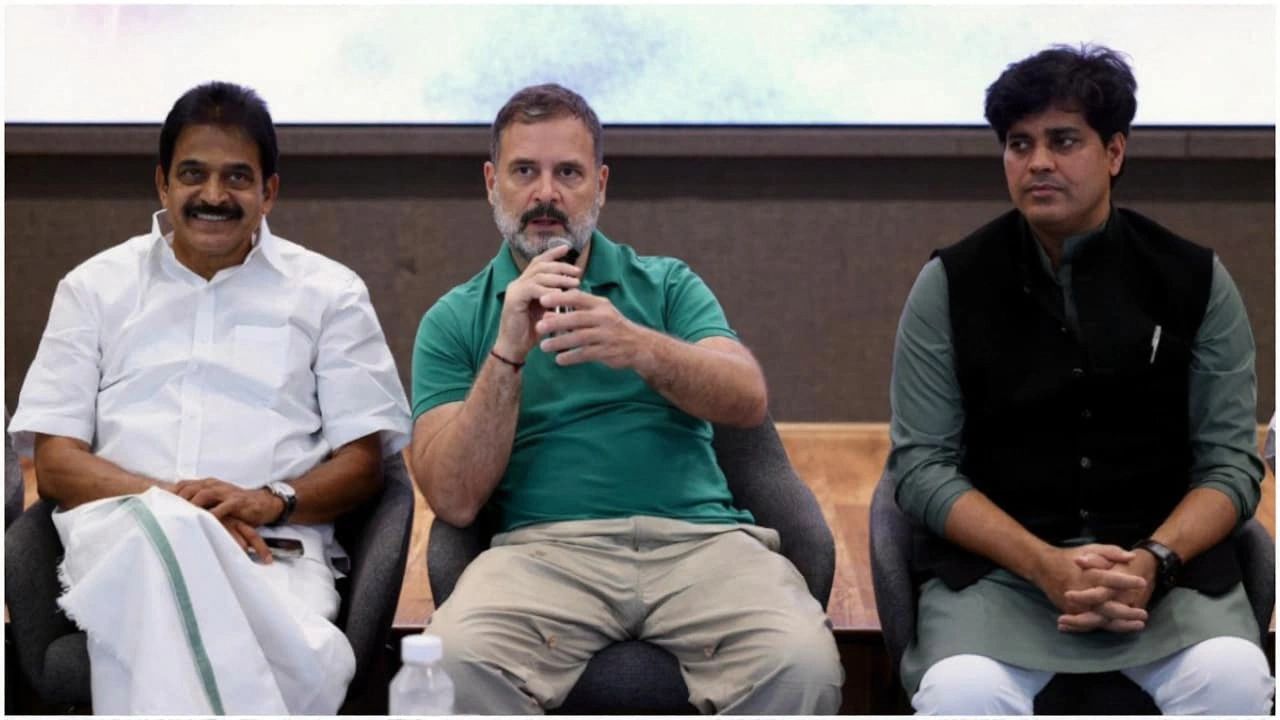
When Rahul Gandhi, Leader of the Opposition in the Lok Sabha, told party insiders that the Modi government would collapse within a year, it wasn’t just political posturing. It was a calculated bet on economic despair.
The prediction came during a closed-door meeting of the Congress Minority Advisory Committee on May 24, 2026. Gandhi didn't mince words: "PM Modi's exit is fixed." He argued that rising unemployment, inflation, and global economic headwinds are creating a pressure cooker situation that will blow the lid off the current administration by mid-2027.
Here’s the thing: this isn’t the first time the opposition has predicted a fall. But linking it directly to specific economic indicators—rather than just moral arguments—marks a shift in strategy. The stakes? Total political realignment in India’s largest democracy.
The Economic Bet Behind the Prediction
Gandhi’s argument rests on a simple premise: people vote with their wallets. During the session, he highlighted three critical pain points:
- Unemployment: Youth joblessness remains stubbornly high despite government schemes.
- Inflation: Grocery prices continue to outpace wage growth for millions.
- Global Instability: International market fluctuations are hitting India’s export-dependent sectors hard.
"The anger among the public will play a crucial role in bringing down the government," Gandhi reportedly said. He connected these domestic issues to broader international economic trends, suggesting that external shocks could accelerate internal discontent. It’s a risky gamble. If the economy stabilizes or grows, the prediction backfires spectacularly. If it stalls, the narrative gains traction.
Turns out, this wasn’t just about economics. The meeting also focused heavily on minority outreach, particularly among Muslim voters. Leaders discussed how to strengthen the party’s message regarding rights and representation, signaling a dual-track strategy: economic grievance plus social mobilization.
BJP Fires Back: Conspiracy or Reality?
You can imagine the reaction from New Delhi. The ruling party didn’t take kindly to the timeline.
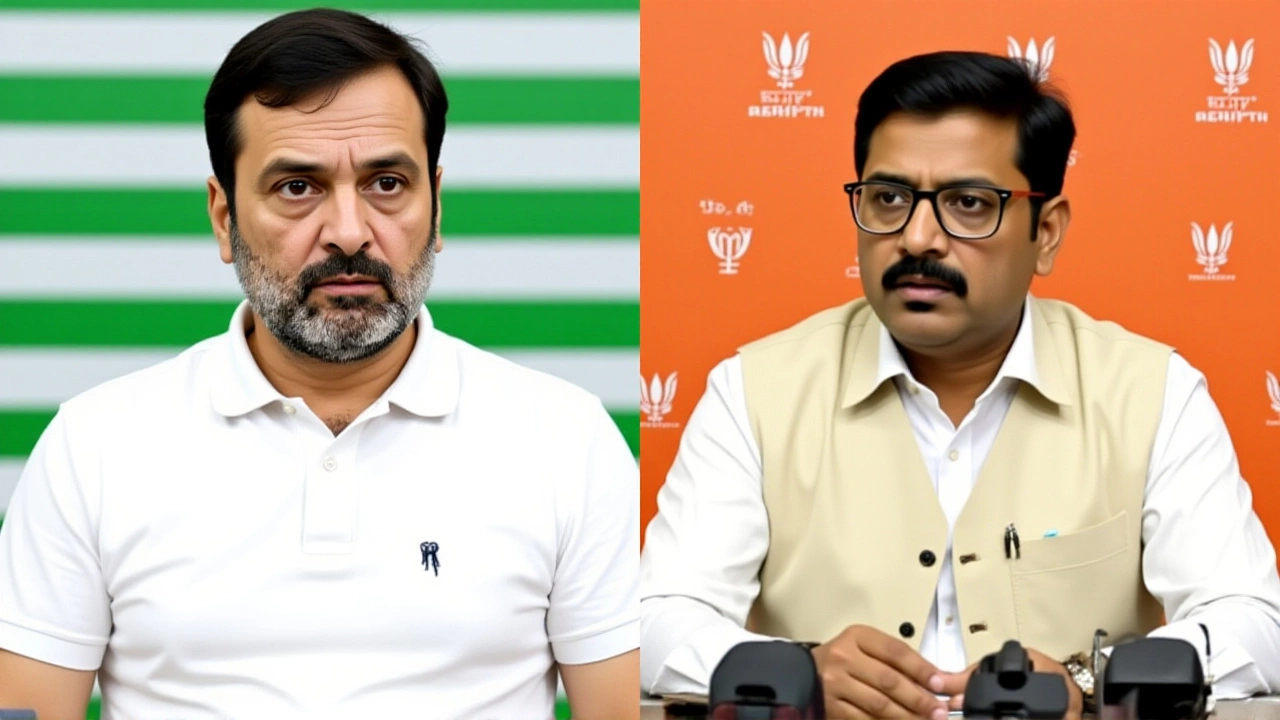
Piyush Goyal, Union Minister, led the counterattack. He dismissed Gandhi’s comments as part of a larger conspiracy involving the so-called "toolkit gang"—a term used by BJP leaders to describe coordinated opposition efforts allegedly backed by foreign interests.
"This statement indicates a plot to destabilize India," Goyal claimed, linking Gandhi’s remarks to broader opposition activities. By framing the prediction as anti-national rather than political, the BJP aims to delegitimize the criticism before it gains mass appeal. It’s a familiar tactic: turn policy debate into loyalty tests.
Meanwhile, Deepak Jha, Congress Spokesperson, took to TV debates to question the nature of BJP’s electoral victories. "No one knows how or why they win," he argued, hinting at irregularities without providing concrete evidence. This vague skepticism adds fuel to the fire but lacks the specificity needed to sway undecided voters.
Why This Matters Now
The timing is everything. With less than two years until the next general election, every word carries weight. Gandhi’s bold forecast forces both parties to define their narratives early.
If the Congress Party positions itself as the voice of economic distress, they risk alienating business communities. If the BJP doubles down on nationalism, they may ignore genuine voter concerns about cost of living. Both sides are walking a tightrope.
Experts note that such predictions often serve internal purposes too. For Gandhi, it rallies his base and sets an agenda. For the BJP, it provides a target to unify supporters against. The real impact? It shifts media focus from policy details to dramatic showdowns.
What Comes Next?
Watch for three key developments over the next 12 months:
- Economic Data Releases: Quarterly GDP and employment reports will be scrutinized intensely.
- By-Elections: Results in upcoming assembly polls will test the validity of Gandhi’s claim.
- Opposition Coordination: Whether other parties join this narrative or distance themselves.
The details are still unclear on how far this rhetoric will go. Will there be street protests? Legislative confrontations? Or just more TV debates? One thing is certain: the temperature in Indian politics has just risen significantly.
Frequently Asked Questions
What exactly did Rahul Gandhi predict?
Rahul Gandhi stated that the Modi-led central government would fall within the next year (by mid-2027). He cited rising unemployment, inflation, and global economic pressures as the primary drivers of public dissatisfaction that would lead to this outcome.
How did the BJP respond to these claims?
Union Minister Piyush Goyal strongly rejected the prediction, labeling it part of a conspiracy by the opposition and the alleged "toolkit gang" to destabilize India. The BJP framed the comments as anti-national rather than legitimate political critique.
Was this statement made publicly or privately?
The remarks were made during a closed-door meeting of the Congress Minority Advisory Committee on May 24, 2026. They were not delivered at a public rally but leaked to the media shortly after, sparking widespread debate.
What role do minority voters play in this strategy?
The same meeting where Gandhi made his prediction also focused on strengthening ties with Muslim communities. Leaders discussed enhancing the party’s message on rights and representation, indicating a combined strategy of economic grievance and social mobilization.
Is there any historical precedent for such predictions?
While opposition leaders often criticize the government, making a specific one-year timeline for collapse is rare. Previous instances usually involved broader calls for resignation rather than precise forecasts based on economic indicators like unemployment and inflation rates.